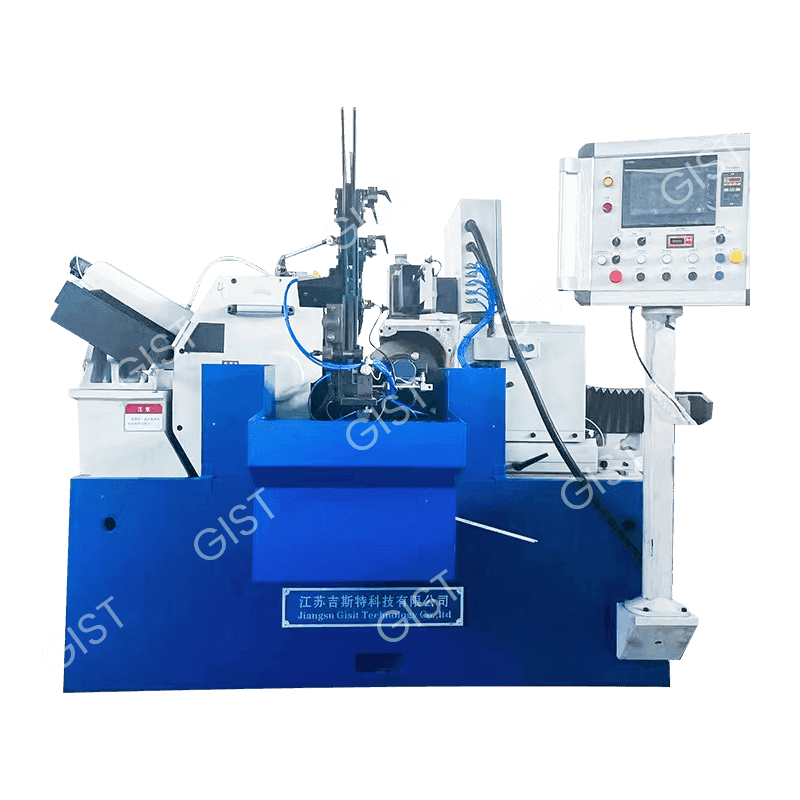
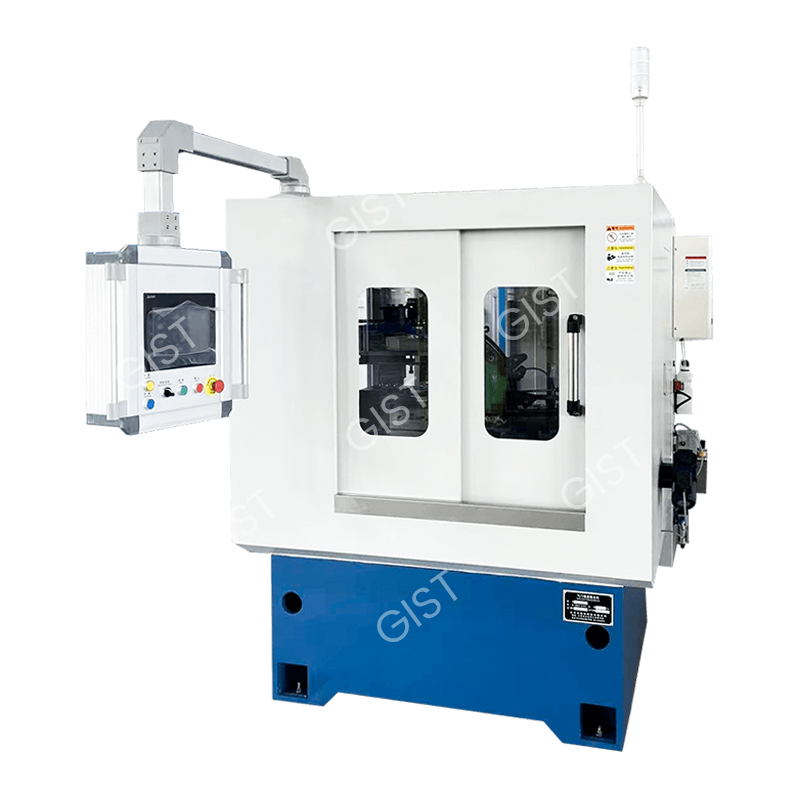
Collet Chuck
Cat:Pièces de machine-outil
Catégorie: Produits auxiliaires de production Présentation du produit: La société a adopté la certification de divers systèmes tels ...
Plus
Quick Answer
General machine tool equipment refers to a broad category of industrial machining equipment used to shape, cut, grind, drill, and finish metal and other hard materials with precision. These machines are the backbone of modern manufacturing — from engine component production to heavy engineering — and range from conventional lathes and milling machines to fully automated CNC metal processing machines. Whether you are sourcing equipment for the first time or upgrading an existing production line, understanding the types, capabilities, and selection criteria of general machine tools is essential for making informed decisions in 2026.
General machine tool equipment is a classification of power-driven machines designed to perform material removal or forming operations on workpieces — primarily metals — to achieve a desired shape, dimension, or surface finish. These machines are distinguished from hand tools by their ability to apply controlled mechanical force with a high degree of repeatability, making them indispensable in volume manufacturing environments.
The term "general" differentiates these machines from highly specialized single-purpose tools. A general machine tool can be reconfigured, retooled, or reprogrammed to accommodate a wide variety of part geometries and materials — giving manufacturers the flexibility to handle diverse production requirements without investing in a unique machine for every job.
According to the Global Machine Tool Market Report, the worldwide machine tool industry was valued at approximately USD 95 billion in 2023, with consistent annual growth driven by rising demand for precision components in automotive, aerospace, energy, and heavy equipment sectors.
Understanding the major categories of general machine tools helps buyers and production engineers match the right equipment to their specific manufacturing requirements. Each type performs a distinct class of operations, though modern machining centers increasingly combine multiple functions into a single platform.
Rotate the workpiece against a stationary cutting tool to produce cylindrical forms. Used extensively in engine component manufacturing — valves, shafts, pistons, and bearing housings. CNC lathes deliver tolerances as tight as ±0.001 mm.
Use rotating multi-tooth cutters to remove material from a stationary or moving workpiece. Ideal for flat surfaces, slots, pockets, and complex contoured profiles. Horizontal and vertical configurations address different geometry requirements.
Apply abrasive wheels to achieve superior surface finishes and extremely tight dimensional tolerances on hardened materials. Cylindrical, surface, and centerless grinding variants each serve different part geometries in precision machine tool applications.
Create and enlarge circular holes to precise diameters and depths. Boring machines refine pre-drilled holes to exact tolerances — critical for cylinder bores and bearing seats in locomotive and generator applications.
Combine milling, drilling, tapping, and boring in a single automated platform. As a core category of CNC metal processing machines, modern machining centers reduce setup times by up to 70% compared to sequential single-operation machines.
Fully integrated automated manufacturing equipment designed around a specific high-volume part family. Transfer lines, rotary index machines, and flexible manufacturing cells fall into this category, optimizing throughput for large-scale industrial machining.
CNC machining centers and turning centers dominate global machine tool consumption, reflecting the manufacturing sector's accelerating shift from manual operation to automated, high-precision production. The following breakdown is based on industry consumption data aggregated across major manufacturing economies.
Global Market Share by Machine Tool Type (%)
Source: Global Machine Tool Market Consumption Analysis, illustrative data based on industry trade reports.
A common point of confusion for buyers and production engineers entering the field is the distinction between "general" and "precision" machine tool equipment. While these categories overlap significantly — most modern CNC machines qualify as both — there are meaningful differences in specification emphasis, application focus, and cost structure.
| Dimension | General Machine Tool Equipment | Precision Machine Tool Equipment |
|---|---|---|
| Typical tolerance range | ±0.01 mm – ±0.05 mm | ±0.001 mm – ±0.005 mm |
| Primary application | Medium-volume batch production, diverse part types | High-accuracy components: valves, bearings, aerospace parts |
| Automation level | Manual to full CNC | Predominantly CNC or specialized automation |
| Rigidity & construction | Standard cast iron or welded steel frames | Thermally stabilized structures, hydrostatic or air bearings |
| Flexibility | High — wide part variety | Moderate — optimized for specific tolerance classes |
In practice, most modern industrial machining equipment blurs this boundary. High-end general-purpose CNC platforms routinely achieve what was previously only possible on dedicated precision machine tools, driven by advances in linear motor drives, thermal compensation algorithms, and high-resolution feedback systems.
The global demand for industrial machining equipment has recovered strongly from the disruption of 2020 and has entered a sustained growth trajectory, driven by reshoring initiatives in North America and Europe, the electrification of the automotive sector, and large-scale infrastructure investment across Asia-Pacific. The chart below illustrates estimated global machine tool consumption value from 2019 through 2026.
Global Machine Tool Consumption Value (USD Billion), 2019–2026
E = Estimate; F = Forecast. Data based on Global Machine Tool Industry Trade Reports and market analysis aggregates.
General machine tool equipment forms the production foundation across a wide range of industries. In each sector, the ability to machine complex metal geometries to tight tolerances at volume is a critical competitive advantage.
| Industry Sector | Typical Components Machined | Key Equipment Types |
|---|---|---|
| Locomotive & Rail | Axles, wheels, bogie frames, engine blocks | Heavy-duty lathes, CNC boring mills |
| Generator Sets | Crankshafts, flywheel housings, valve seats | CNC turning centers, precision grinding |
| Mining Machinery | Gearbox housings, shafts, drill heads | Heavy-duty machine tools, horizontal boring |
| Commercial Vehicles | Engine valves, cylinder liners, brake components | Automated transfer lines, CNC grinding |
| Shipbuilding | Propeller shafts, rudder posts, engine components | Large-format CNC lathes, milling machines |
| Automotive Engine Parts | Valve guides, valve seats, camshafts, pistons | High-speed CNC machining centers, automated lines |
Selecting the right general machine tool equipment requires evaluating several capability dimensions simultaneously. Prioritizing only one factor — such as raw throughput or tolerance capability — can lead to a poor fit with actual production requirements. The radar chart below compares three major equipment classes across six critical dimensions.
Machine Tool Class Capability Radar
Scores normalized on a 1–5 scale based on typical published performance benchmarks for each equipment class.
The integration of Computer Numerical Control (CNC) technology has fundamentally changed what general machine tool equipment can achieve. Where a skilled manual machinist could produce perhaps 20–30 precision parts per hour on a conventional lathe, a modern CNC metal processing machine running the same operation can maintain that output 24 hours per day with dramatically lower part-to-part variation.
CNC programs encode every tool path, speed, and feed rate, eliminating operator-to-operator variation. Modern CNC systems maintain positional accuracy to within ±0.001 mm over millions of cycles.
Switching between part programs takes seconds rather than hours. Automated tool changers on CNC machining centers further reduce non-cutting time, boosting effective spindle utilization to 70–85% in optimized cells.
Touch probes and laser measurement systems integrated into automated manufacturing equipment detect dimensional drift in real time and automatically adjust tool offsets — preventing scrap without halting production.
5-axis CNC platforms machine complex contoured surfaces — turbine blades, impellers, engine valve profiles — in a single setup that would previously require four or five separate operations and fixtures.
Industry data consistently shows that manufacturers transitioning from manual to CNC-based industrial machining equipment reduce their per-part production costs by 30–50% over a three-year period, primarily through scrap reduction, labor reallocation, and increased throughput per shift.
Moving from manual general machine tools to CNC platforms and then to fully integrated automated manufacturing equipment delivers compounding productivity gains. The column chart below illustrates the relative output (parts per 8-hour shift) and scrap rate for a representative engine valve machining operation across three production technology levels.
Parts Per 8-Hour Shift (Representative Engine Valve Operation)
Representative output figures for an engine valve turning and grinding operation. Actual results vary by part complexity, material, and machine specification.
Purchasing general machine tool equipment is a long-term capital decision. Machines purchased today will typically remain in production for 10–20 years, making thorough evaluation essential. The following framework covers the most critical selection criteria for industrial buyers evaluating precision machine tool equipment and automated manufacturing solutions.
Compile a representative sample of 10–15 parts you will produce. Identify the tightest tolerances required, the largest workpiece dimensions, and the materials involved. This defines the minimum capability threshold your equipment must meet. For engine valve and bore applications, tolerances of ±0.003 mm or better are typically required — which points firmly toward precision CNC machine tool equipment rather than conventional general-purpose machines.
Low-volume, high-mix production favors flexible CNC machining centers with fast setup. High-volume, low-mix production of the same part — such as automotive engine valves at 500,000+ units per year — justifies investment in dedicated automated transfer lines or rotary index machines that deliver the lowest cycle time per part. Matching equipment to actual volume prevents both under-investment (bottlenecks) and over-investment (idle capacity).
Modern heavy-duty machine tools and CNC metal processing machines can be integrated into larger automation cells with robotic loading, conveyor systems, and automatic measurement stations. If your production environment is moving toward lights-out manufacturing or Industry 4.0 connectivity, ensure the machine tool's control system supports standard communication protocols (OPC-UA, MQTT) and robotic interface options before purchasing.
For any industrial machining equipment purchase, after-sales service quality is as important as initial machine performance. Evaluate whether the manufacturer provides local service engineers, guarantees spare parts availability for at least 10 years, and offers remote diagnostics capability. Unplanned downtime on a production-critical machine can cost manufacturers tens of thousands of dollars per day.
Jiangsu Gist Technology Co., Ltd. (formerly Dongtai Weifeng Machinery Factory, established 2012) was formally incorporated in April 2020. Located at No. 1, Industrial Concentration Zone, Wulie Town, Dongtai City, the company occupies a site of 22 mu with a factory building area of over 11,000 square meters and a total investment of 100 million yuan. Construction began in early 2021 and was completed in early 2022.
As a professional China general machine tool equipment manufacturer and factory, the company integrates development, design, production, manufacturing, sales, and after-sales service under one roof. Our highly skilled engineering and design teams custom-produce a wide range of high-precision, intelligent manufacturing equipment tailored to individual customer requirements.
Our high-end intelligent automation equipment serves core engine component applications across locomotives, generator sets, mining machinery, commercial vehicles, and shipbuilding. We have maintained long-term cooperation with global enterprises including Germany MAHLE and the United States EATON, and have entered their global procurement systems. The company holds independent import and export rights and has exported equipment to more than 20 countries and regions, including Germany, Japan, Turkey, and Iran.
Awarded a National High-Tech Enterprise in 2022 and a specialized enterprise designation in 2024, we hold more than 10 invention patents and over 100 utility model patents. Our quality and management systems are certified to ISO 9001:2015, ISO 14001:2015, and ISO 45001:2018 standards. We warmly welcome domestic and international customers to visit our facility.
11,000 m²
Factory Building Area
20+
Export Destinations
100M CNY
Total Investment
10+
Invention Patents
100+
Utility Model Patents
ISO Certified
9001 / 14001 / 45001
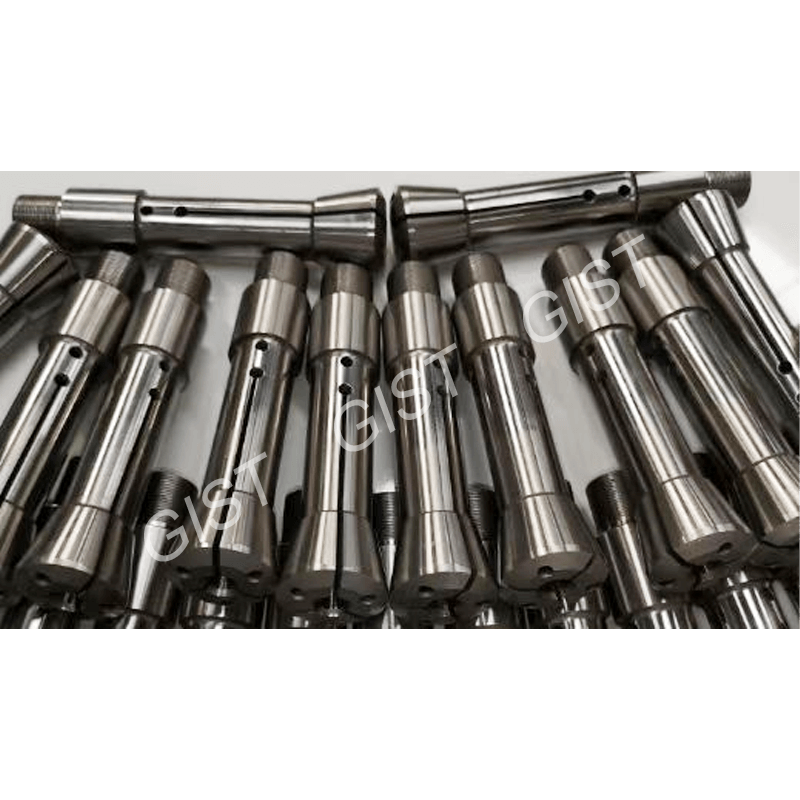
Catégorie: Produits auxiliaires de production Présentation du produit: La société a adopté la certification de divers systèmes tels ...
Plus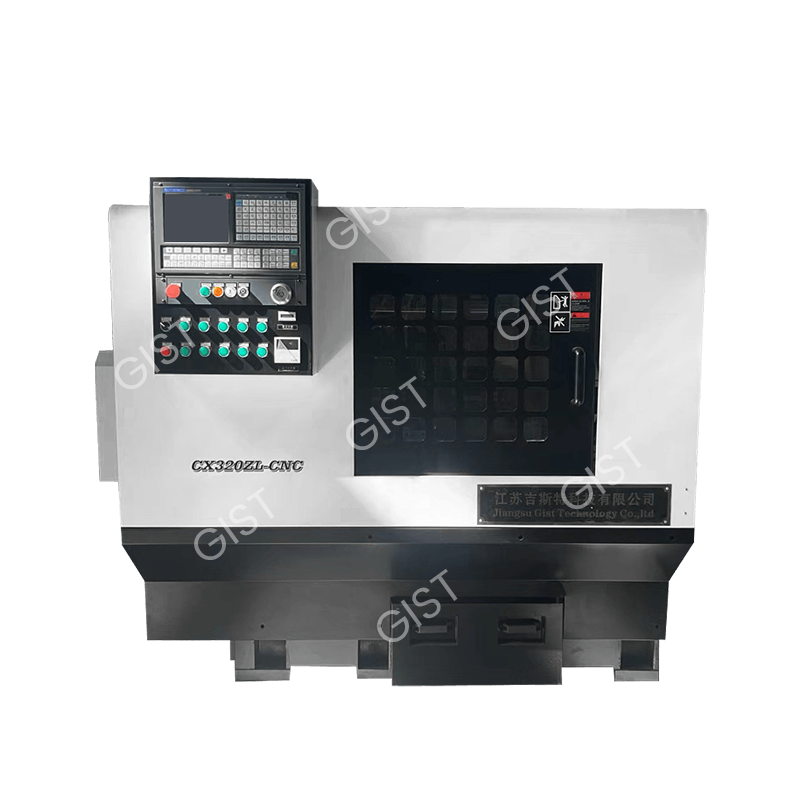
Catégorie: CNC Lathe Présentation du produit: La société a adopté la certification de divers systèmes tels que le système de gestion...
Plus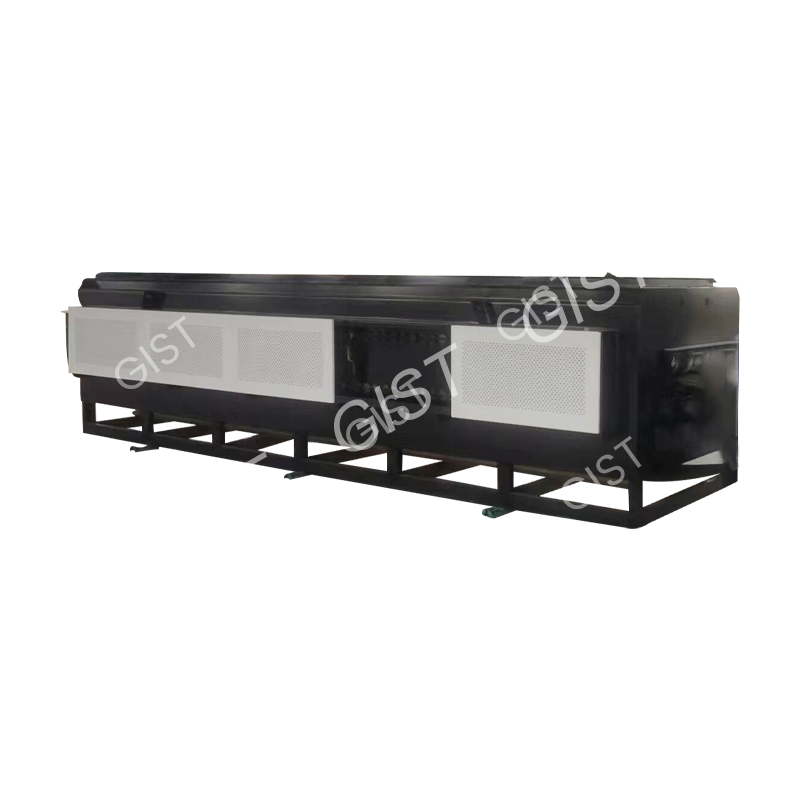
Catégorie: Équipement de traitement thermique Présentation du produit: La société a adopté la certification de divers systèmes tels ...
Plus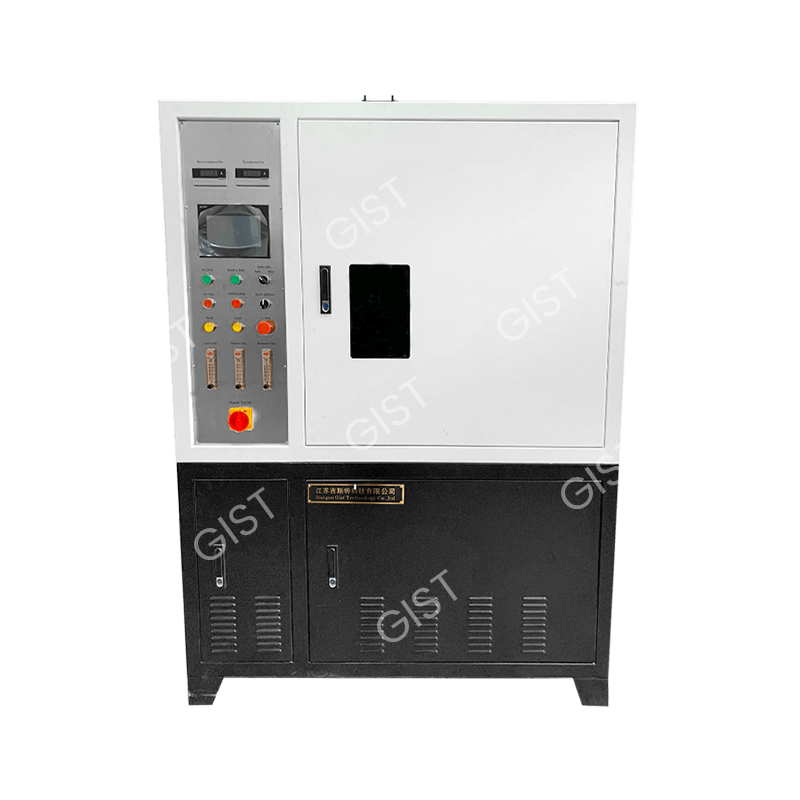
Catégorie: Équipement de soudage plasmatique Présentation du produit: La société a adopté la certification de divers systèmes tels q...
Plus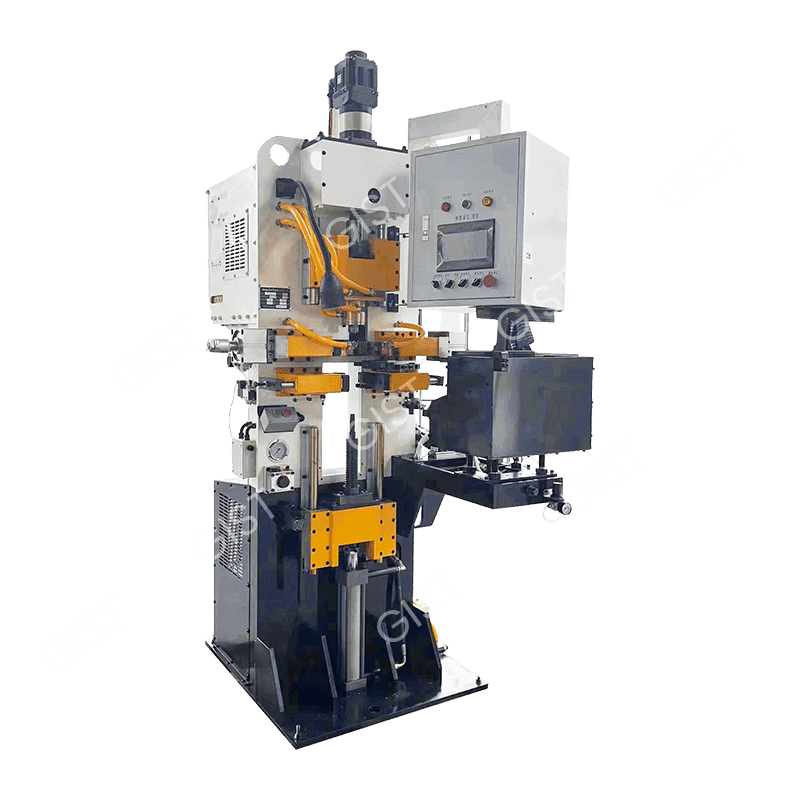
Catégorie: Équipement de moulage vierge de soupape Présentation du produit: La société a adopté la certification de divers systèmes ...
Plus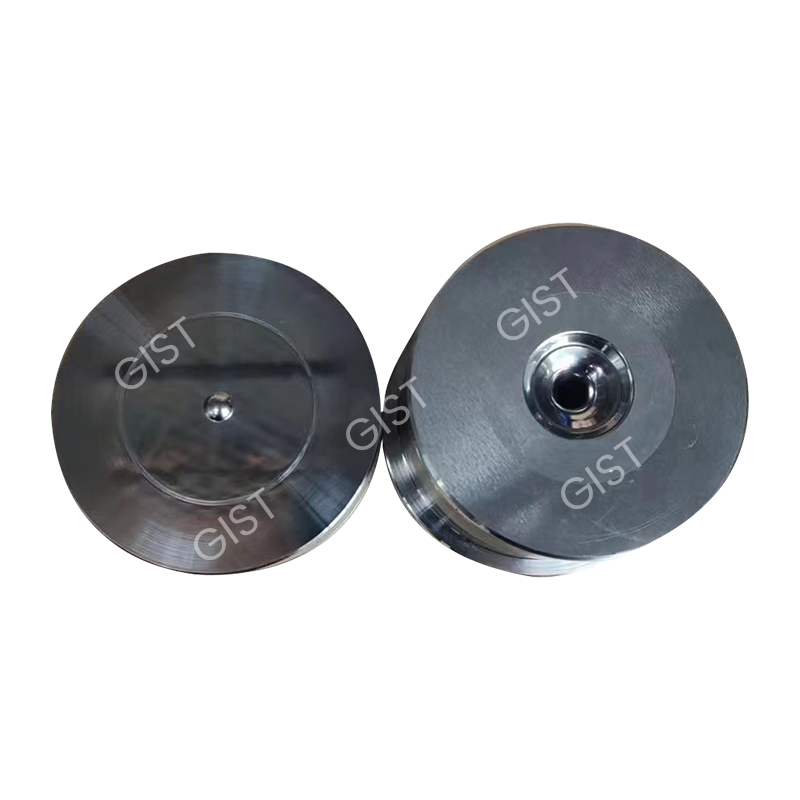
Catégorie: Produits auxiliaires de production Présentation du produit: La société a adopté la certification de divers systèmes tels ...
Plus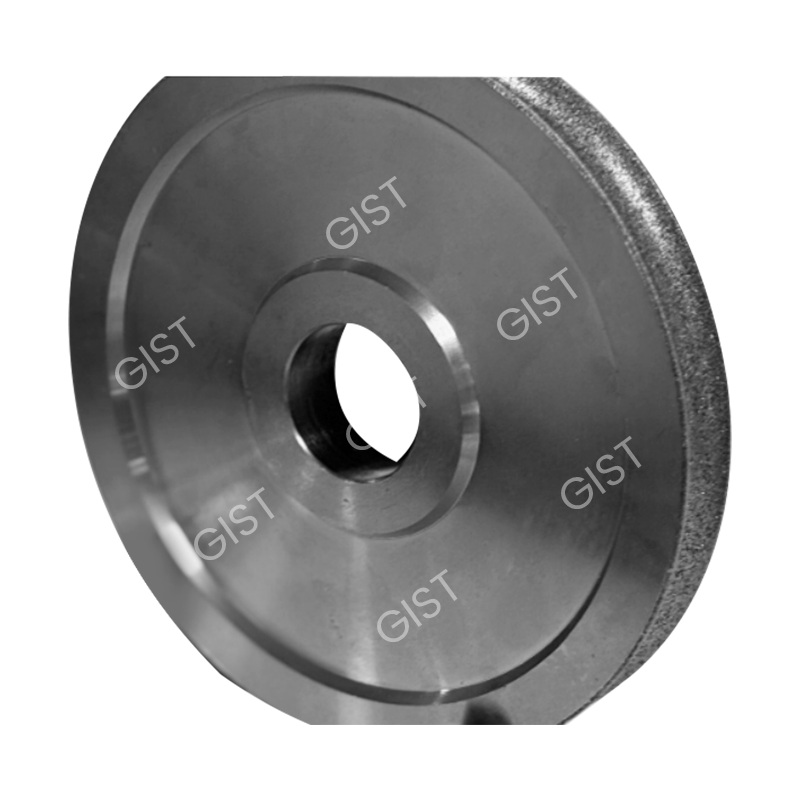
Catégorie: Produits auxiliaires de production Présentation du produit: La société a adopté la certification de divers systèmes tels ...
Plus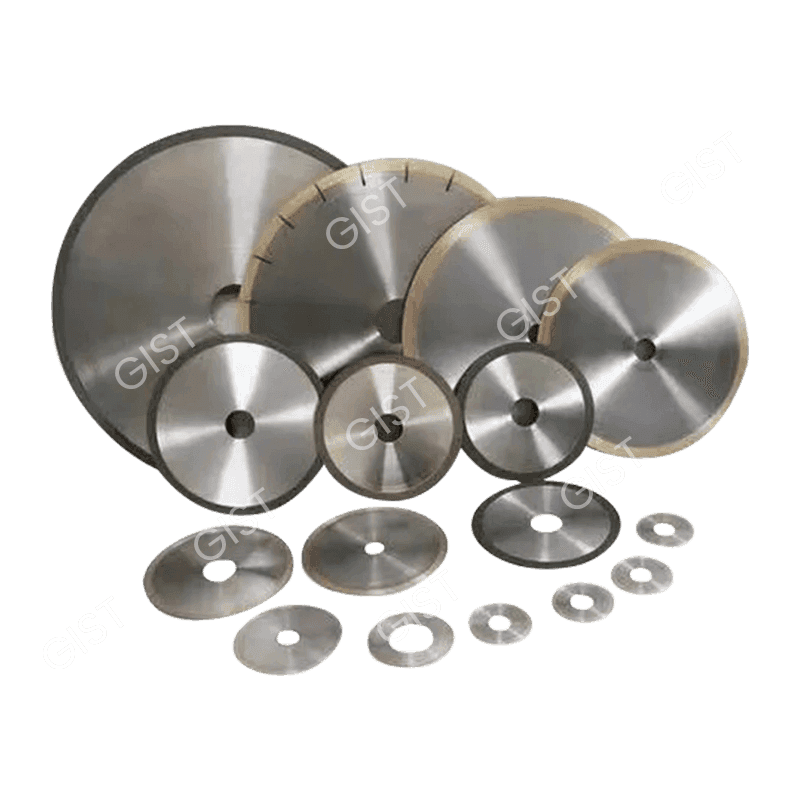
Catégorie: Produits auxiliaires de production Présentation du produit: La société a adopté la certification de divers systèmes tels ...
Plus
 86-13584767515
86-0515-89500828
 N ° 1, zone de concentration industrielle, ville de Wulie, ville de Dongtai, province du Jiangsu
Produit