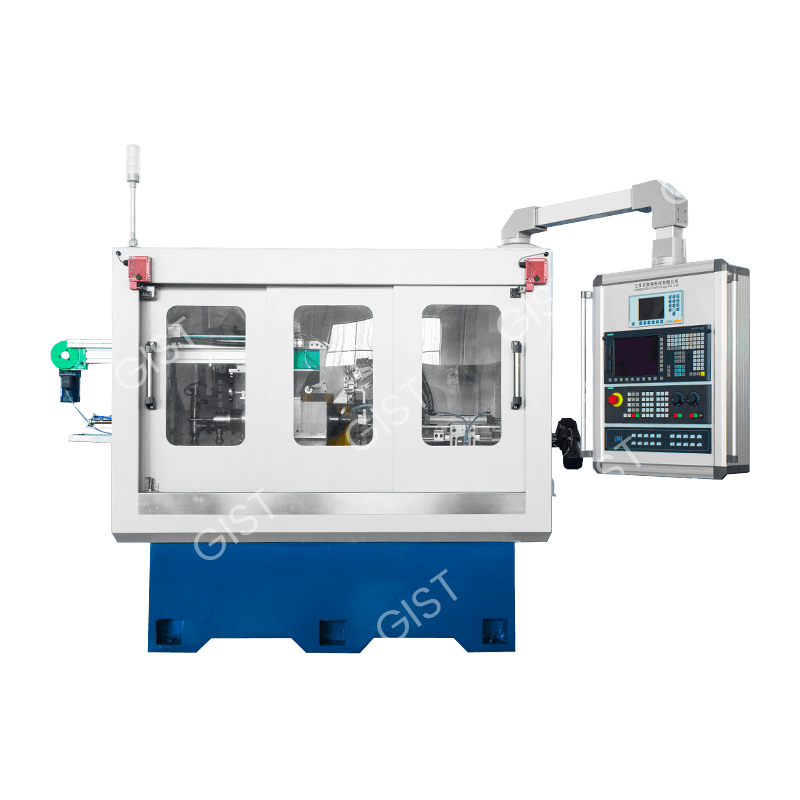
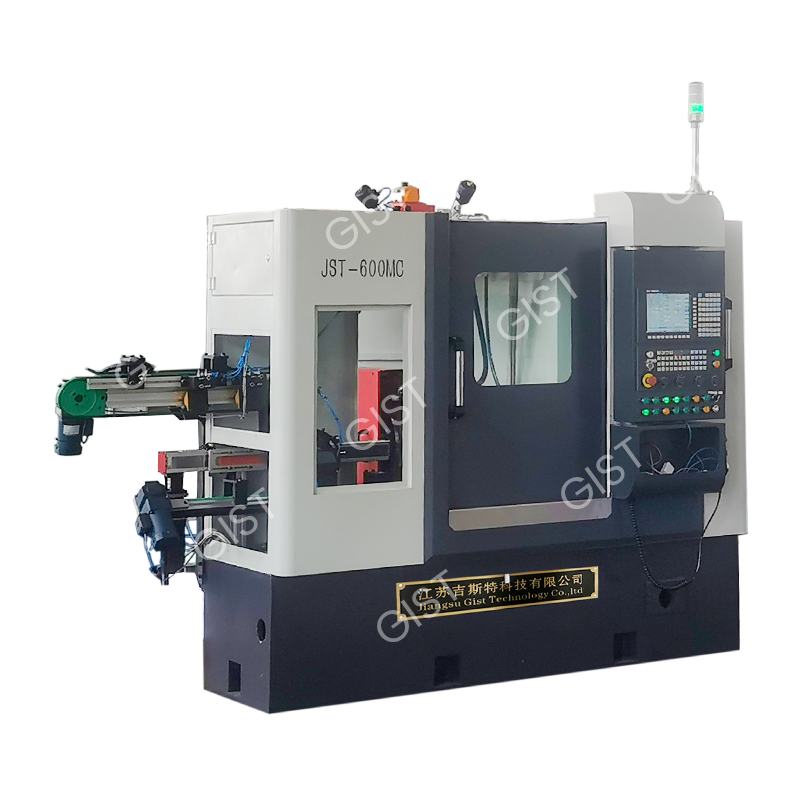
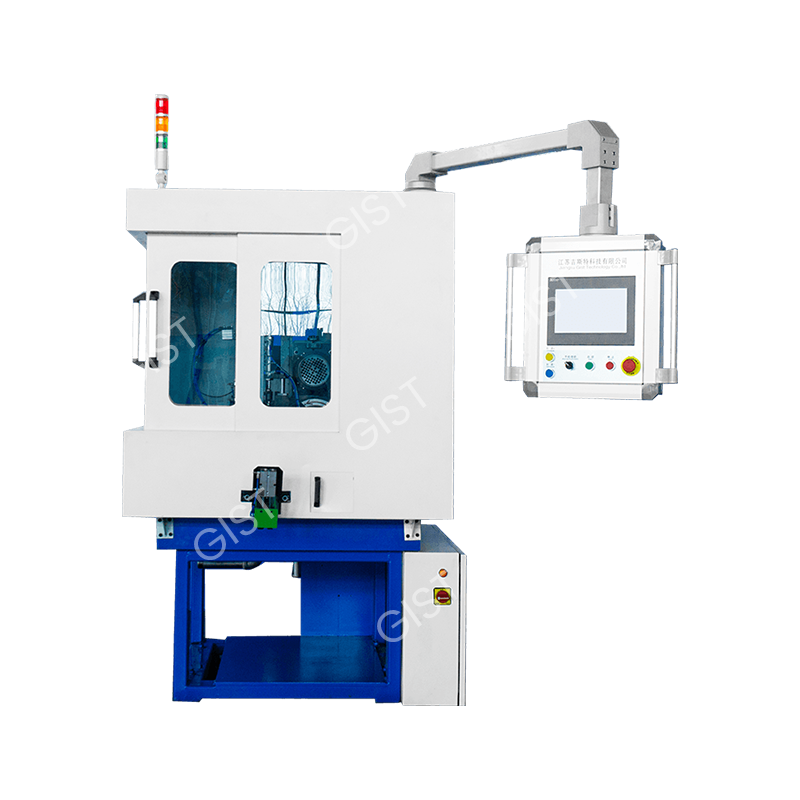
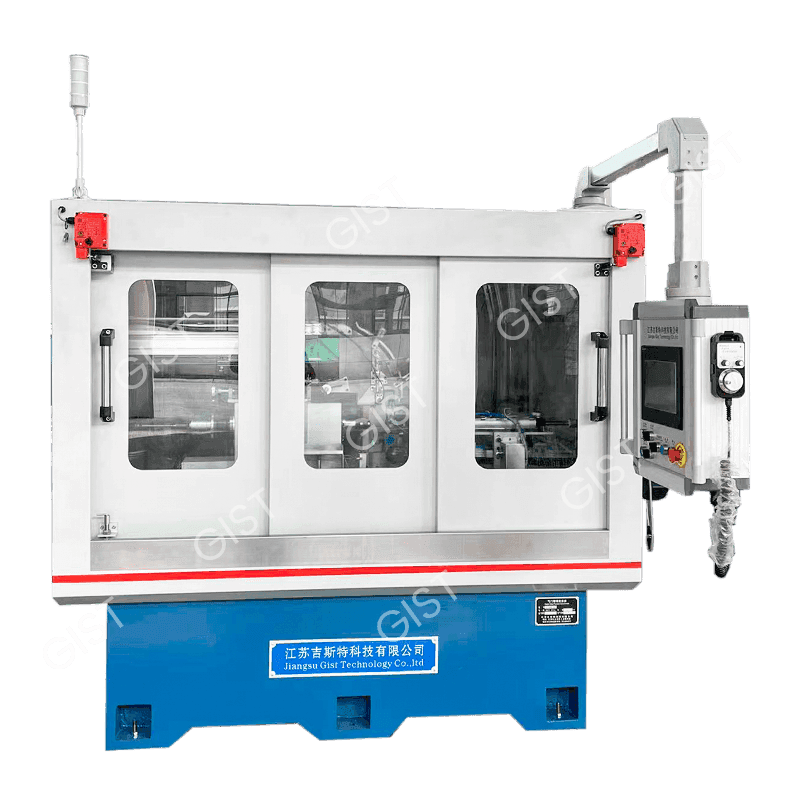
What Is The Best CNC Valve Grinding Machine For Industrial Valves?
Quick Answer
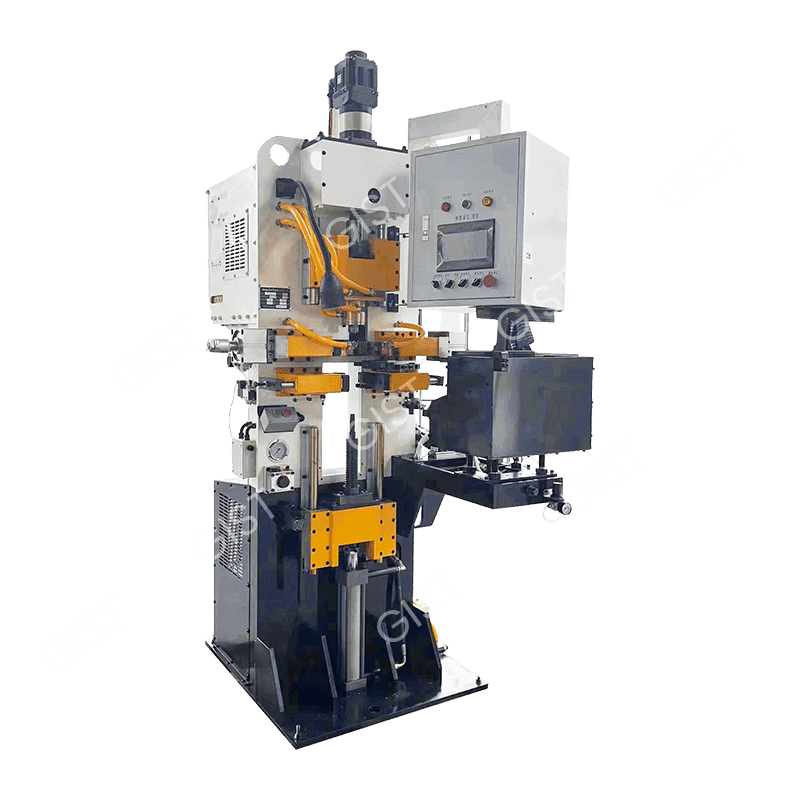
The best CNC valve grinding machine for industrial valves is one that combines precision CBN or ceramic grinding technology, full CNC automation, and the flexibility to handle multiple valve types — from small engine valves to large marine components. For high-volume production environments, a fully automatic CNC valve grinding machine with programmable multi-axis control delivers the most consistent seat geometry, longest tooling life, and lowest per-unit cost. For field maintenance or smaller workshops, a precision portable valve grinding system provides the necessary accuracy without requiring a fixed production line.
Why Choosing the Right CNC Valve Grinding Machine Matters
Industrial valves are among the most precision-critical components in any engine or power system. Even a 0.01 mm deviation in valve seat geometry can cause compression loss, increased fuel consumption, overheating, or catastrophic engine failure. The machine you choose to grind, lap, or resurface those valves directly determines whether your output meets production tolerances — and how long it stays that way in service.
Across locomotive engines, marine power systems, generator sets, and heavy commercial vehicles, the valve seat cone angle must be held to within ±0.5° or tighter, and surface finish typically needs to reach Ra 0.4 µm or better to achieve a reliable gas-tight seal. Manual or conventional grinding equipment struggles to maintain these tolerances across large production batches. Automatic valve grinding equipment with CNC control solves this consistently and repeatably.
Dimensional Accuracy
CNC-controlled axis movement eliminates human variability. Precision valve seat grinding machines hold cone angle tolerances of ±0.2° and diameter tolerances of ±0.005 mm across entire production runs.
Production Throughput
Automatic valve grinding equipment with integrated loading and in-process gauging can process hundreds of valves per shift with minimal operator intervention, dramatically reducing per-piece cycle time.
Tooling Life and Cost
CBN and ceramic grinding wheels used in modern CNC machines last 50–200 times longer than conventional abrasive wheels, reducing consumable costs and wheel-change downtime significantly.
Understanding the underlying grinding technologies helps buyers make informed decisions when evaluating automatic valve grinding equipment for their specific valve types and production volumes.
CBN (Cubic Boron Nitride) Grinding Wheels
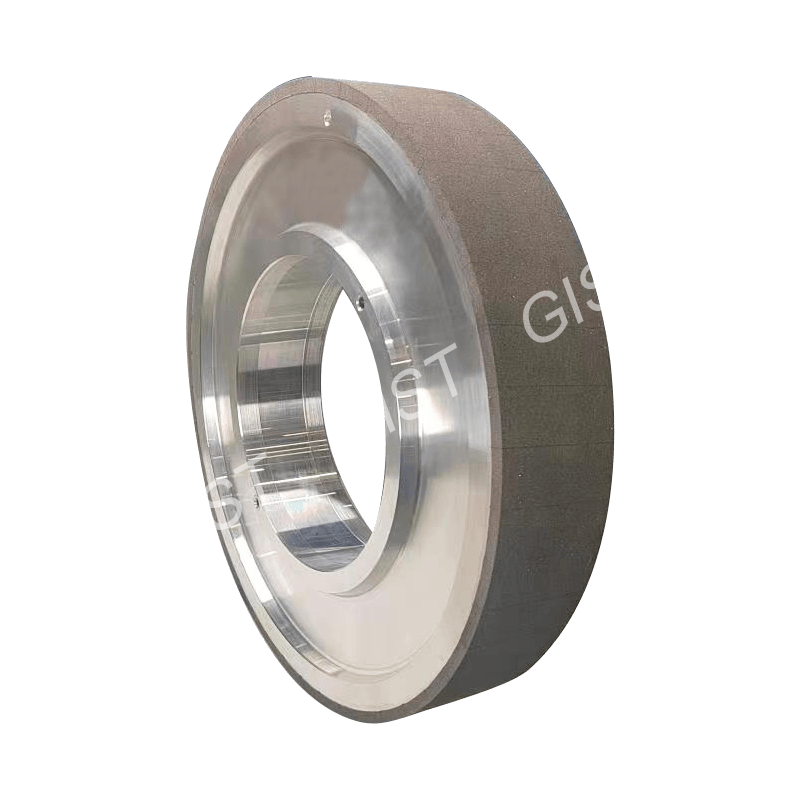
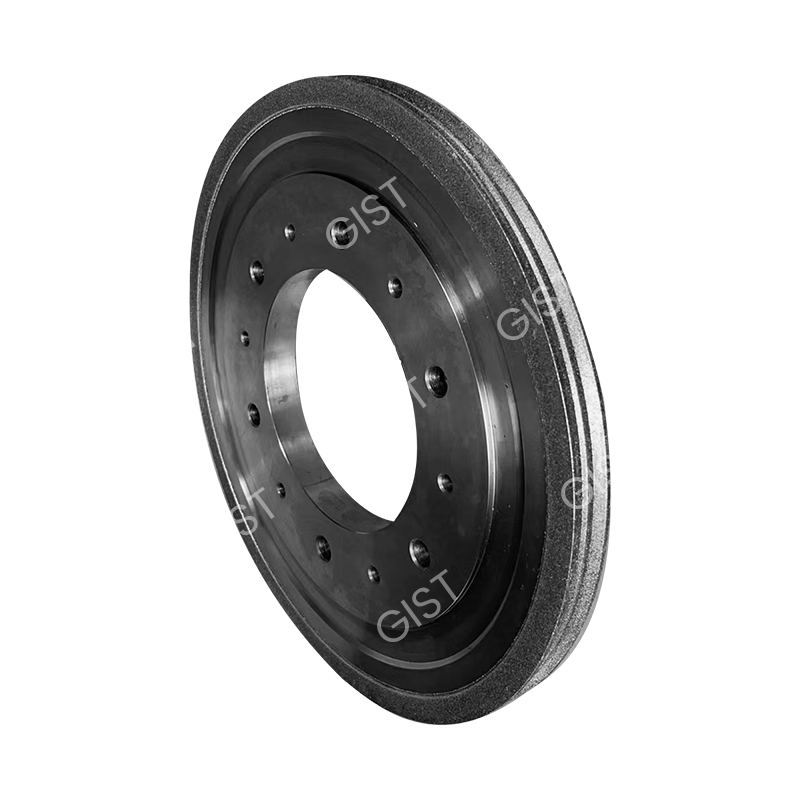
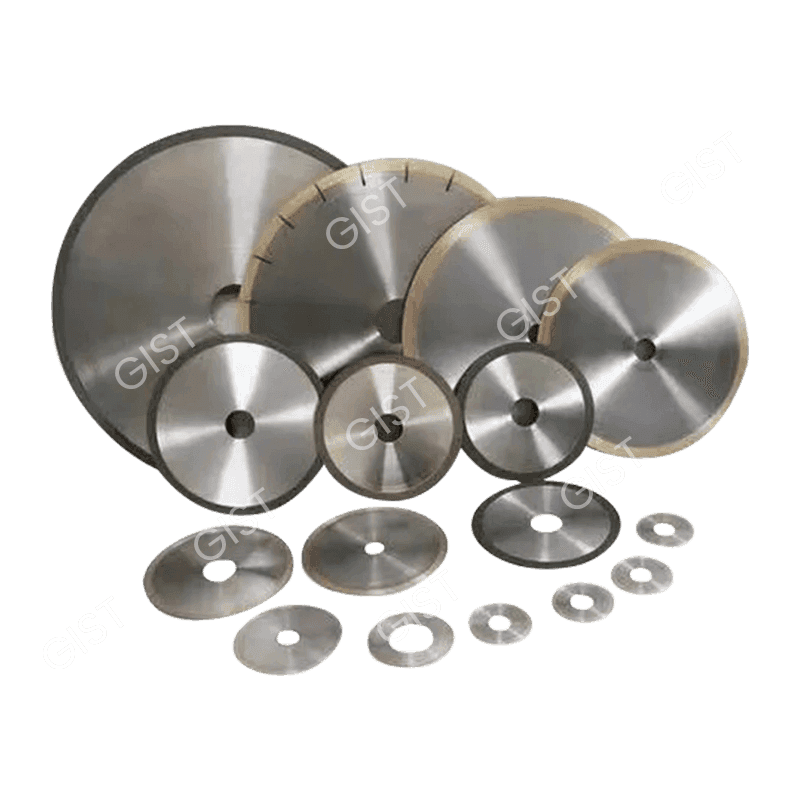
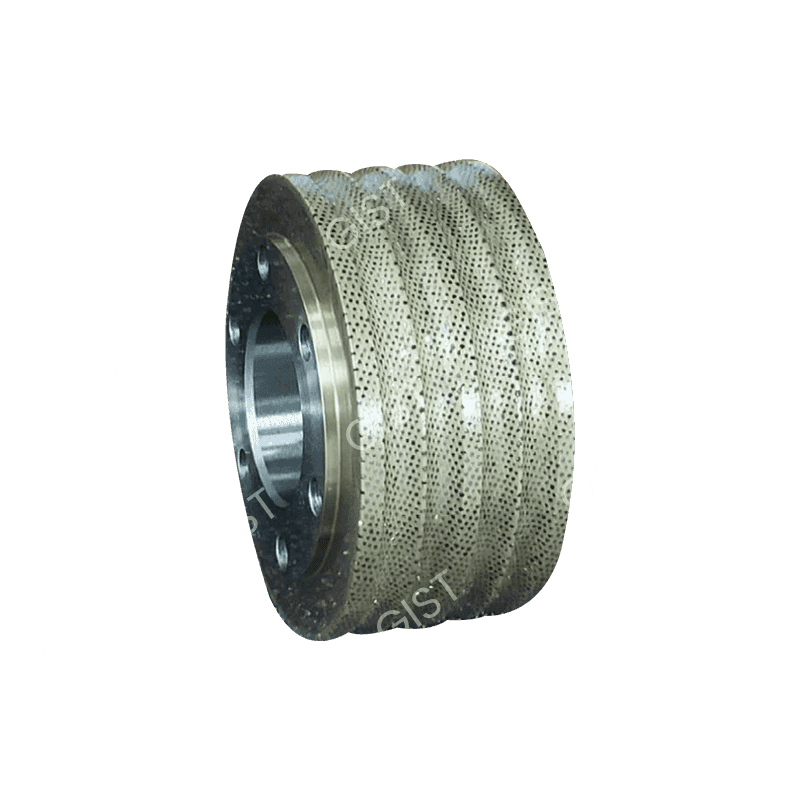
CBN is the preferred abrasive for hardened valve steels (HRC 40–60) including martensitic stainless and Stellite-faced valves. CBN wheels maintain their geometry far longer than aluminum oxide, produce lower grinding temperatures (reducing the risk of surface burn), and deliver a consistent Ra surface finish across extended production runs. CNC valve lapping machines and cone grinders using CBN heads are standard in high-volume engine valve factories worldwide.
Ceramic Grinding Wheels
Ceramic-bonded abrasive wheels offer superior self-dressing characteristics and work well for precision valve seat grinding on a wider range of base materials, including softer alloys and titanium. The open structure of ceramic bonds allows efficient coolant penetration, reducing thermal damage to the valve face during heavy stock removal passes.
CNC Multi-Axis Control
Modern industrial valve repair machines use servo-driven CNC axes to control the grinding wheel angle, depth of cut, workpiece rotation speed, and feed rate simultaneously. This enables the machine to grind complex valve profiles — including back-cut angles, radius transitions, and tapered stems — in a single setup without repositioning the part. Multi-axis CNC control is what separates genuine precision valve grinding systems from basic mechanical grinders.
Types of Industrial Valve Grinding Machines: Which One Do You Need?
The industrial valve grinding market offers several distinct machine categories, each optimized for a different grinding operation or valve geometry. Selecting the wrong type is a common and costly mistake. The table below maps machine types to their primary function and best-fit application.
Machine type selection guide for industrial valve grinding operations
Machine Type
Primary Operation
Typical Application
Key Advantage
Cone Grinding Machine
Valve face / seat cone angle grinding
Engine valves, locomotive valves
Highest seat angle precision
CBN Head Forming Grinder
Valve head profile forming
Complex valve head geometries
Single-pass forming accuracy
CBN Disc External Grinder
Valve stem and external diameter
OD grinding, concentricity control
Consistent stem diameter tolerance
Lock Clamp Groove Grinder
Keeper groove machining
Engine valve lock groove finishing
Repeatable groove depth and width
Rod End Grinder
Valve stem tip grinding
Stem length and tip flatness control
High-speed stem-end finishing
Marine Cone Grinding Machine
Large-bore seat grinding
Ship engines, large generator sets
Handles oversized valve diameters
Most high-volume valve manufacturing lines deploy multiple machine types in series — for example, a cone grinder followed by an external disc grinder and a rod end grinder — to complete all valve surfaces in a progressive flow without manual repositioning between operations.
Key Specifications to Evaluate Before Buying a CNC Valve Grinding Machine
When sourcing an industrial valve repair machine or upgrading an existing grinding line, these are the technical parameters that determine whether the equipment meets your production and quality requirements.
Grinding Angle Range
A quality CNC valve grinding machine should cover cone angles from 15° to 60°, adjustable via CNC programming rather than manual mechanical stops. This accommodates the full range of common valve seat angles (30°, 45°, 60°) without tooling changes.
Valve Size Capacity
Check the machine's specified range for valve head diameter and stem diameter. Standard engine valves range from 20–60 mm head diameter; marine and large industrial valves can exceed 150 mm, requiring a dedicated marine cone grinding machine platform.
Spindle Speed Range
CBN wheels for valve seat grinding typically operate at 20–50 m/s surface speed. The machine spindle must support the correct RPM range for the wheel diameter in use to achieve the specified surface finish without risking wheel or workpiece damage.
Positioning Repeatability
For precision valve seat grinding, axis positioning repeatability of ±0.002 mm or better is the industry benchmark. Machines with ball-screw drives and linear encoders achieve this consistently; rack-and-pinion or lead-screw systems typically cannot.
Automation Level
Evaluate whether the machine supports auto-loading, in-process gauging, and automatic wheel compensation for wear. Higher automation reduces operator skill dependency and maintains consistent output across long production shifts.
Coolant System
An effective high-pressure coolant delivery system is essential for CBN grinding. It flushes swarf from the grinding zone, prevents thermal damage to valve material, and extends wheel life. Machines without adequate coolant engineering create reliability issues in sustained production.
Where CNC Valve Grinding Machines Are Used Across Industries
CNC valve grinding and lapping equipment is deployed across a remarkably broad range of heavy industry sectors. Each application places different demands on the machine in terms of valve material, size, and required tolerances.
Industry Adoption Rate for CNC Valve Grinding Equipment (%)
Locomotive Engines
94%
Commercial Vehicles
88%
Marine / Ship Engines
82%
Generator Sets
79%
Mining Machinery
71%
Locomotive and rail engine manufacturers show the highest adoption of CNC valve grinding equipment largely because valve replacement intervals on rail powerplants are closely regulated and any out-of-spec valve can trigger forced maintenance shutdowns with significant cost implications. Marine applications are growing fastest, driven by tightening emissions standards and the increasing use of alternative fuels that place greater thermal stress on valve and seat assemblies.
CNC Valve Grinding vs. Conventional Manual Grinding: A Practical Comparison
Many workshops still operate older manual or semi-automatic grinding equipment. Understanding the performance gap helps justify investment in modern automatic valve grinding equipment for production operations.
Performance comparison between CNC automatic and conventional manual valve grinding methods
Performance Factor
CNC Automatic
Conventional Manual
Seat angle tolerance
±0.2°
±1.0° or worse
Surface finish (Ra)
0.2–0.4 µm
0.8–1.6 µm
Cycle time per valve
15–40 seconds
3–8 minutes
Batch-to-batch consistency
Excellent (CPK >1.67)
Variable (operator-dependent)
Wheel life (CBN)
100,000+ pieces
500–2,000 pieces
Operator skill requirement
CNC program setup only
High (certified grinder)
When to Choose a Portable Valve Grinding System
Not every valve grinding application takes place in a fixed manufacturing facility. Maintenance operations on large marine vessels, power plants, and mining sites often require the grinding equipment to come to the valve — not the other way around. In these scenarios, a portable valve grinding system provides the precision needed without the requirement for a permanent installation.
Modern portable valve grinding systems for industrial use are no longer simple hand tools. High-end portable units incorporate servo motors, digital angle setting, and even basic CNC axis control — allowing them to achieve precision valve seat grinding results on-site that would previously have required a full workshop machine.
Portable System Best-Fit Scenarios
Large marine diesel engine maintenance where removing valve components to a shore workshop is impractical
Power plant turbine valve seat resurfacing during scheduled outages
Emergency field repair of industrial valve assemblies to restore operation quickly
Low-volume or one-off grinding tasks where investing in a full production machine is not justified
Service companies that handle valve repair contracts at customer facilities across multiple locations
Productivity Gains After Switching to CNC Valve Grinding
Manufacturers who have transitioned from conventional to CNC automatic valve grinding equipment consistently report measurable production improvements within the first year of operation. The chart below illustrates typical output growth trajectories based on industry data from valve manufacturing facilities that upgraded their grinding lines.
Production Output Index After CNC Upgrade (Baseline = 100)
The steepest gains typically appear in months 3–6 as operators become proficient with CNC programming and automatic loading systems reach full utilization. By month 12, facilities routinely report output increases of 180–220% over their pre-upgrade baseline — without adding headcount.
Maintaining Your CNC Valve Grinding Machine for Long-Term Accuracy
Even the best-engineered industrial valve repair machine will drift out of tolerance if not maintained correctly. A structured preventive maintenance schedule protects your investment and ensures consistent grinding results year after year.
Daily Maintenance Tasks
Clean swarf and grinding debris from all guide surfaces, coolant channels, and the wheel guard area
Check coolant concentration and tank level; top up or replace as needed
Inspect the CBN or ceramic wheel for visible chipping, uneven wear, or loading
Verify axis zero-point accuracy with a reference part at the start of each shift
Weekly / Monthly Tasks
Lubricate ball-screw assemblies and linear guide rails per the manufacturer's specification
Check and tighten all electrical and pneumatic connections
Perform a full axis calibration check using certified gauge blocks or a laser interferometer
Replace coolant fully and clean the tank to prevent bacterial growth that degrades coolant performance
Keeping a machine log that tracks axis backlash measurements, surface finish check results, and wheel dress intervals gives maintenance teams the data needed to predict and prevent issues before they cause scrap parts or unplanned downtime.
About Jiangsu Gist Technology Co., Ltd.
Jiangsu Gist Technology Co., Ltd. (formerly Dongtai Weifeng Machinery Factory, established 2012) was re-incorporated in April 2020. Located at No. 1, Industrial Concentration Zone, Wulie Town, Dongtai City, the facility covers 22 mu with over 11,000 square meters of production floor space and a total investment of 100 million yuan. Construction was completed in early 2022 following a groundbreaking in early 2021.
As a professional China CNC Valve Grinding Machine manufacturer, Gist Technology integrates development, design, production, manufacturing, sales, and after-sales service under one roof. The company's high-end intelligent automation equipment serves core engine component sectors including locomotives, generator sets, mining machinery, commercial vehicles, and marine systems. Long-term cooperation has been established with leading global enterprises including Germany MAHLE and the United States EATON, with full integration into their global procurement systems.
The company holds the right to import and export independently and has exported CNC valve grinding equipment to more than 20 countries and regions, including Germany, Japan, Türkiye, and Iran. Domestic partnerships include major engine valve manufacturers such as Chongqing Sanai Hailing Industrial Co., Ltd. and Jinan Ward Auto Parts Co., Ltd.
Gist Technology holds more than 10 invention patents and over 100 utility model patents. The company was recognized as a National High-Tech Enterprise in 2022 and a Specialized and Innovative Enterprise in 2024. Certifications include ISO 9001:2015, ISO 14001:2015, and ISO 45001:2018.
Q1: What is the difference between a CNC valve grinding machine and a CNC valve lapping machine?
A CNC valve grinding machine removes material from the valve seat or face using a rotating abrasive wheel to establish the correct cone angle and surface finish from raw or worn stock. A CNC valve lapping machine, by contrast, uses a lapping compound and controlled relative motion between the valve and seat to achieve a final micro-finish and gas-tight mating surface. Grinding is a faster, higher stock-removal process; lapping is a final finishing step. Many high-precision production lines use both in sequence.
Q2: What valve materials can a CNC valve grinding machine handle?
Most industrial CNC valve grinding machines equipped with CBN wheels can handle the full range of engine valve materials, including martensitic stainless steels (e.g., 21-4N, 23-8N), Stellite-faced exhaust valves, titanium intake valves, and heat-resistant nickel-based alloys used in high-performance and marine applications. Ceramic wheel machines cover a broader hardness range but are generally preferred for softer materials and cases where CBN's aggressive cutting action would risk thermal damage.
Q3: How do I choose between a fixed CNC valve grinding machine and a portable valve grinding system?
The decision depends primarily on production volume and where the work takes place. If you are producing hundreds or thousands of valves per day in a manufacturing facility, a fixed automatic CNC valve grinding machine delivers the cycle time, consistency, and automation needed. If you are performing maintenance or repair at a customer's site — particularly on large marine engines or power plant valves that cannot be easily removed — a precision portable valve grinding system is the appropriate choice. Some operations invest in both.
Q4: How long do CBN grinding wheels last on a valve grinding machine?
CBN wheels used on precision valve seat grinding machines typically last 50,000 to 150,000 valve grinding cycles under normal production conditions, depending on the valve material and grinding parameters. This is dramatically longer than conventional aluminum oxide wheels, which may require replacement every 500–2,000 pieces. Proper coolant management, correct spindle speed, and avoiding excessive depth of cut are the key factors that maximize CBN wheel service life.
Q5: Can a single CNC valve grinding machine handle both intake and exhaust valves?
Yes. CNC valve grinding machines with programmable angle and diameter settings can be reconfigured via software to grind different valve types without hardware changes. Operators store separate CNC programs for each valve variant — intake, exhaust, different engine models — and call up the correct program for each production run. This flexibility makes CNC equipment especially valuable for contract valve manufacturers who process multiple engine models or supply to OEMs with diverse valve specifications.
Q6: What certifications should a reputable CNC valve grinding machine manufacturer hold?
When evaluating an automatic valve grinding equipment supplier, look for ISO 9001:2015 quality management certification as a baseline. Manufacturers supplying to automotive OEMs and global engine companies should also hold ISO 14001 environmental management and ISO 45001 occupational safety certifications. National high-tech enterprise recognition — such as the designation held by Jiangsu Gist Technology — indicates verified R&D capability and government-recognized innovation credentials. Verify that the manufacturer holds genuine patents for key machine technologies rather than simply assembling third-party components.